The Difference Between Symbolic Diplomacy and True Tino Rangatiratanga, 14th of May, 2026
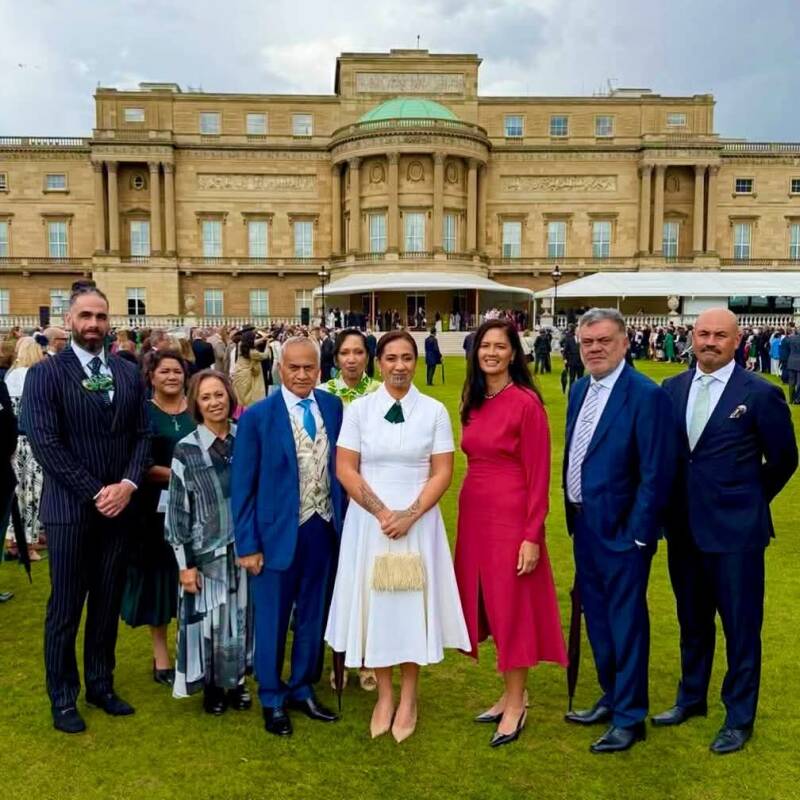
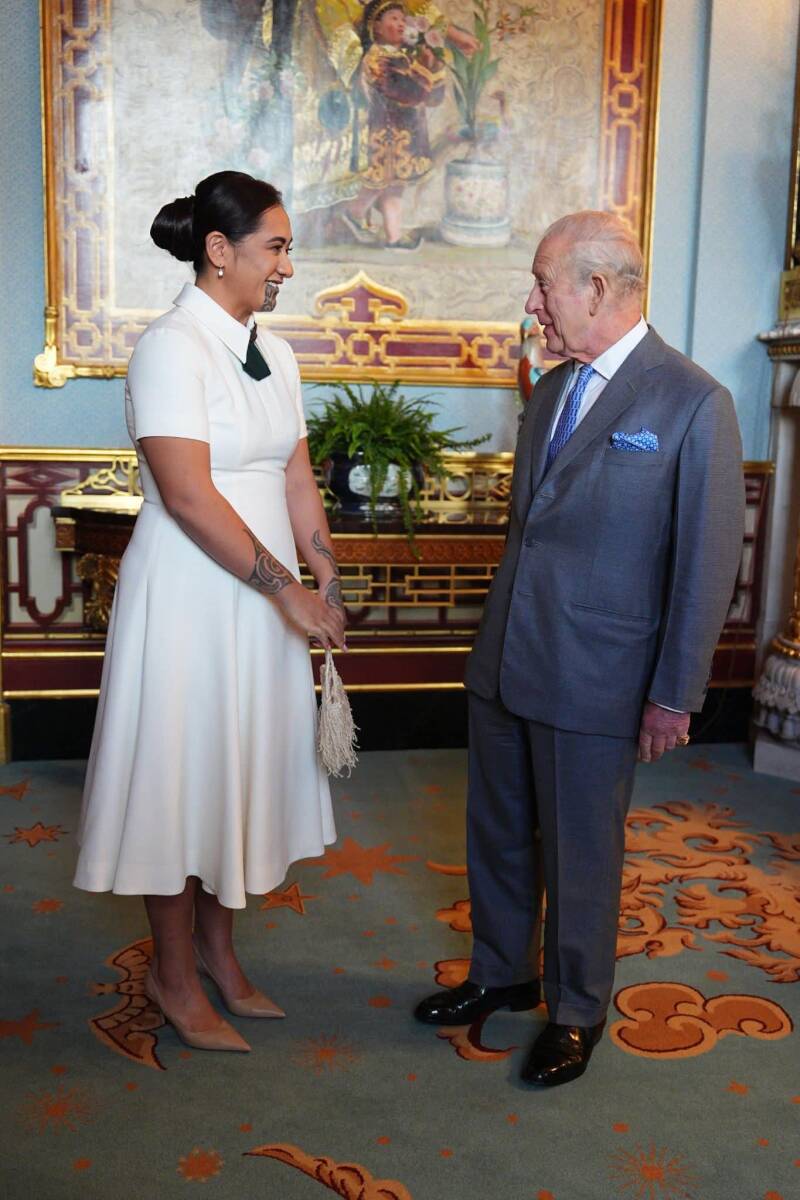
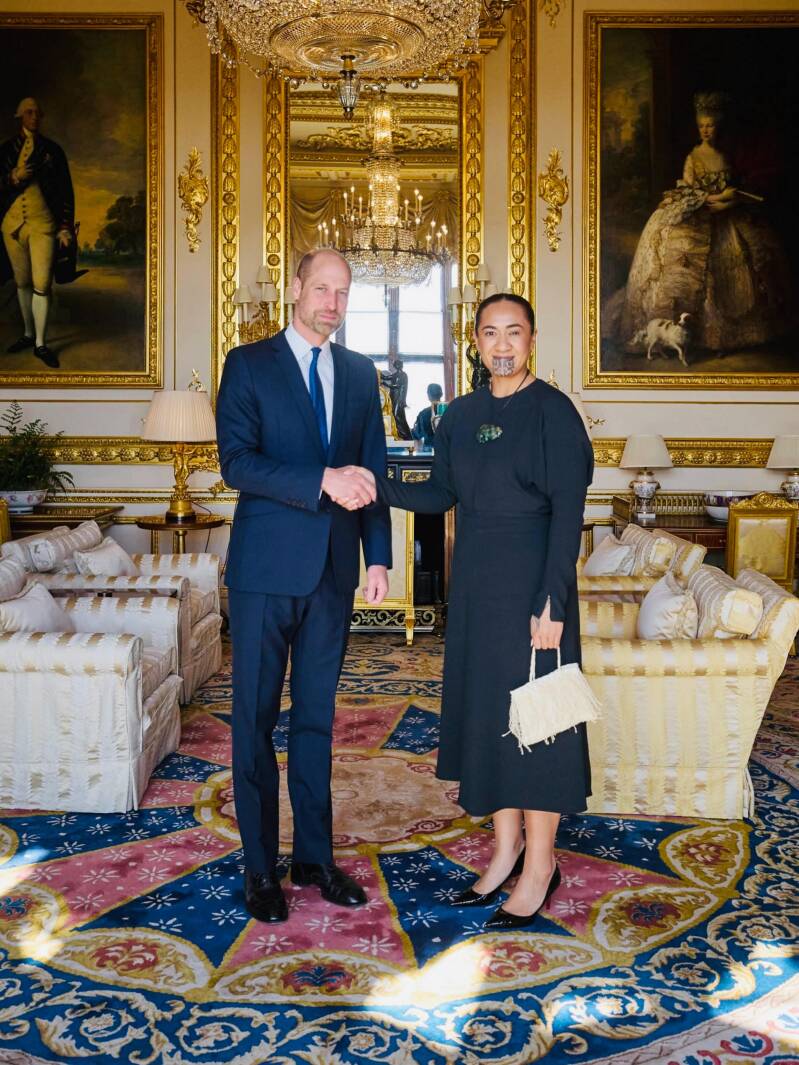
Throughout the history of Aotea Roa, many of our leaders have travelled overseas to meet monarchs, governments, churches, and international institutions.
These journeys are often presented as important moments of recognition, diplomacy, or prestige for the Māori people.
The recent visit of Kuini Ngā Wai Hono I Te Pō to King Charles III and members of the British Royal Family is one such moment now being discussed widely throughout the country.
For many Māori, the question is not whether the visit itself is respectful or appropriate.
The deeper issue is this: What tangible benefit does this actually bring to the collective tino rangatiratanga of all hapū throughout Aotea Roa?
This is where many of our people remain unconvinced.
There is a major difference between symbolic diplomacy and the restoration of inherent authority.
A royal visit may strengthen relationships, create visibility, and uphold ceremonial connections between the Kīngitanga movement and the Crown.
But these engagements do not automatically restore land, authority, resources, constitutional independence, or hapū sovereignty back to the people.
The relationship was well and truly built in the time of Te Arikinui Te Atairangikaahu more then 30 years ago.
Isn't it about time to ask for Tino Rangatiratanga back now?
For generations, Māori communities have fought for: return of whenua, protection of wai and moana, preservation of language and culture, freedom of hapū self-determination, and recognition of pre-existing indigenous authority.
None of these things are guaranteed through ceremonial relationships with the British Crown alone.
The reality is that many hapū across Aotea Roa still operate independently of the Kīngitanga movement and do not see themselves as being represented by a singular national Māori monarchy.
This is not necessarily disrespect toward the Kīngitanga itself.
Rather, it reflects the ancient structure of our people.
Traditionally, authority in Aotea Roa was deeply decentralised.
Hapū held their own Mana Motuhake.
Rangatira emerged from whakapapa, service, leadership, and recognition by their own people.
There was never one unified political authority over every iwi and hapū throughout the country.
The Kīngitanga movement itself arose during the 1850s as a political response to increasing Crown pressure and land alienation, especially within Waikato.
It served a very important historical purpose and remains deeply significant to many iwi today.
But historically and politically, it has never represented every hapū equally.
This creates an important constitutional and spiritual question:
Can anyone truly claim to be the “Māori Queen” of all Aotea Roa when many hapū neither descend from nor politically recognise that authority?
For many Māori, the answer is complex.
Some see the Kīngitanga as a respected cultural institution deserving honour and dignity.
Others view it as a regional authority connected primarily to certain tribal alliances rather than a universal indigenous mandate over all hapū.
This distinction matters because tino rangatiratanga was never intended to flow from a single centralised structure.
Under our oldest systems, authority belonged firstly to the hapū and to the people themselves.
Perhaps one of the greatest gifts the Kīngitanga could one day offer to the Māori people would be the restoration of Arikitanga back into the hands of the hapū themselves — not held centrally within one kingdom or one line of authority,
but returned to the many tribal houses, lineages, and ancestral fires that supported the movement throughout its history.
Such a gesture would not weaken the mana of the Kīngitanga.
It could instead strengthen it by reaffirming the original principle that true authority comes from the people, from whakapapa, and from the living relationship between hapū and whenua.
For many, the future of Māori unity may not lie in centralising power into one institution, but in reconnecting every hapū back to its own inherited mana, leadership, and sacred responsibility.
It is also becoming increasingly visible that some individuals from outside Waikato, including certain figures from Ngāpuhi, have taken strong defensive positions around the Kīngitanga institution and its leadership, sometimes acting more as protectors of the institution itself than as advocates for the wider aspirations of all hapū throughout Aotea Roa.
This has created concern among many Māori who believe that no single political or ceremonial structure should become immune from questioning, discussion, or accountability.
Healthy debate has always existed among our people.
Hapū independence, differing viewpoints, and regional leadership traditions are part of the fabric of who we are.
History teaches us that all institutions evolve, transform, or eventually give way to new generations and new realities.
No political structure remains unchanged forever.
The long-term strength of any institution — including the Kīngitanga — will depend on whether it can continue to listen to the people and support the restoration of mana and authority back to the hapū themselves rather than centralising it indefinitely.
The concern many now raise is that international royal engagements can sometimes create the appearance of unified indigenous representation, when in reality the political landscape of Aotea Roa is far more diverse, layered, and contested.
Many Māori today are asking:
Who truly speaks for the hapū?
Who carries inherited authority?
Who has been mandated by the people?
Who benefits from centralised representation?
And who has the right to negotiate the future of Māori sovereignty?
These are not small questions.
They go to the very heart of the future of Aotea Roa.
If Tino Rangatiratanga is ever to be fully realised, it will likely require more than symbolic meetings with monarchs overseas.
It will require difficult internal conversations among our own people about governance, representation, accountability, and unity without erasing hapū independence.
The future may not lie in one central voice speaking for all.
It may instead lie in restoring the balance between many voices, many hapū, and many forms of leadership across the land.
Only the people themselves can decide who truly represents them.
Fragmentation of Māori Politics Heading Toward the 2026 Election in Aotea Roa – New Zealand, 15th of May, 2026
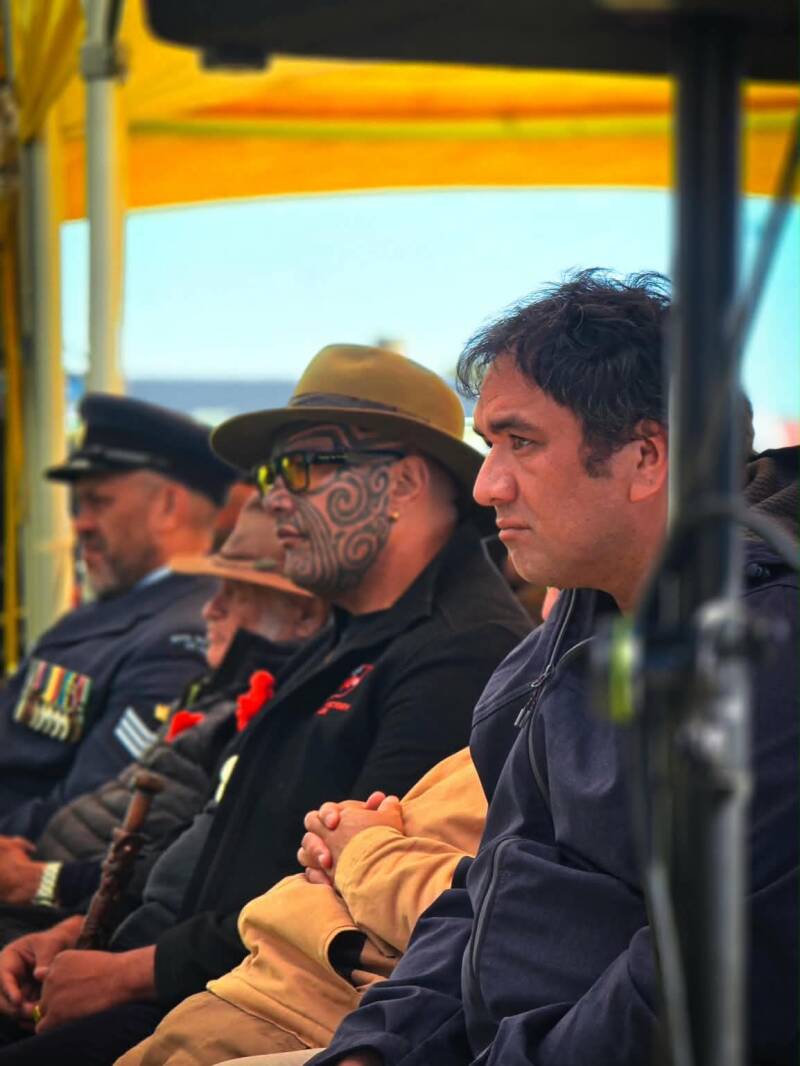
Rawiri Waititi - Māori Party
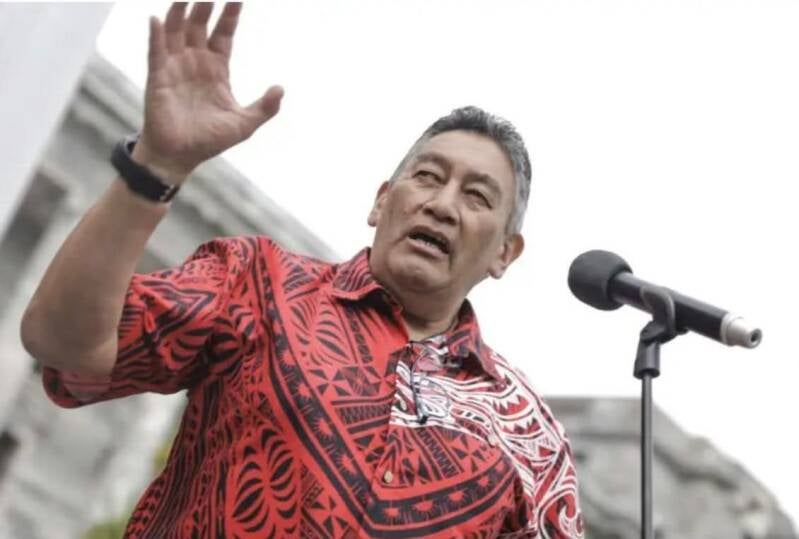
Hone Harawira - Taitokerau Leader
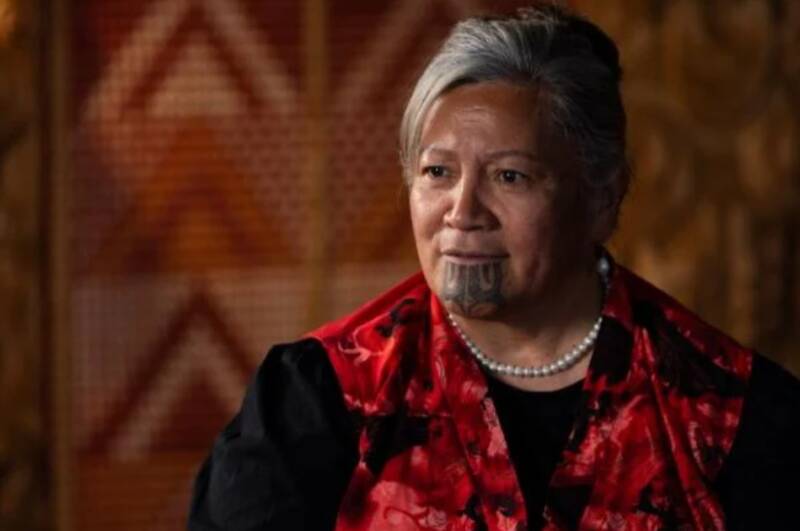
Maria Meno Kapa-Kingi - Taitokerau Party

Lawyer Tania Waikato - Green Party
The political landscape heading into the 2026 election is becoming increasingly unstable, fragmented, and unpredictable. What is unfolding throughout Aotea Roa is no longer simply a contest between political parties, but a growing struggle over leadership, authority, representation, identity, and the future direction of the people.
For many years, Te Pāti Māori positioned itself as the parliamentary vehicle for Māori political advancement within the Crown political system. Under leaders such as Rawiri Waititi and Debbie Ngarewa-Packer, the party built visibility through protest politics, Treaty debates, activist mobilisation, parliamentary haka, and direct confrontation with government policy.
However, the fracture involving Mariameno Kapa-Kingi and the formation of the Te Tai Tokerau Party has now exposed major instability within Māori parliamentary politics itself.
From one perspective, Kapa-Kingi’s shift to establish a new political party reinforces many of the concerns already raised internally within Te Pāti Māori. Critics argue that when she was unable to achieve influence or outcomes within the party structure, she instead chose to separate and establish her own movement based around Te Tai Tokerau.
At the centre of this strategy appears to be the belief that Te Tai Tokerau alone holds enough political influence, identity, and voting strength to generate a major breakthrough movement capable of reshaping Māori politics.Yet many throughout the north remain unconvinced. There is growing belief among some northern observers that the numbers, infrastructure, national support, and organisational capacity required for a successful long-term political breakthrough simply do not exist at this stage. From this viewpoint, the creation of another splinter movement risks further weakening Māori political influence within Parliament rather than strengthening it.
The possible return of Hone Harawira has also generated widespread political speculation. Media commentators have described Hone as a wildcard capable of reshaping Te Tai Tokerau politics once again. However, others strongly reject that interpretation. From this perspective, Hone Harawira is not viewed as a wildcard at all, but rather as a political figure whose parliamentary era has already passed. Critics argue that despite his long activist history and national recognition, he was ultimately unable to establish a lasting political structure capable of enduring beyond personality-driven politics. Some now believe his strongest contribution would be to remain in retirement rather than re-enter a fractured and increasingly unstable political environment.
At the same time, there is growing speculation that Hone understands far more about the internal dynamics surrounding the Te Tai Tokerau Party and wider northern political developments than he is currently revealing publicly. Alongside these fractures, dissatisfaction toward Te Pāti Māori itself has intensified following public controversies and behaviour associated with sections of the party leadership and supporters during Waitangi commemorations earlier this year. Critics point toward the conduct and public image surrounding figures associated with the movement, including debates involving Kiri Tamihere and aspects of the confrontational style that increasingly dominates sections of Māori parliamentary politics.
For some observers, these moments represented a major turning point. A growing number of grassroots voices now openly argue that Māori political parties and Māori MPs operating inside Parliament will never deliver true tino rangatiratanga to the people — not now, not ever.
This perspective argues that: Parliament remains a Crown-controlled institution,Māori political parties remain confined within Crown constitutional frameworks, and genuine authority and leadership cannot ultimately come from systems controlled by the state itself. Instead, these voices increasingly believe that future leadership must emerge from outside parliamentary politics altogether through:
hapū,
whānau,
marae,
grassroots leadership,
community organisation,
and independent cultural structures existing beyond government systems.
Within this distinction: Māori politics refers to Crown-recognised parliamentary and governmental systems, while Mauri is understood as something entirely separate from government and unrelated to Māori MPs or parliamentary political structures. Another developing feature of the current political environment is the emergence of increasingly spiritualised political identity movements surrounding certain public figures.
Critics have recently pointed toward the public presentation and symbolism associated with Tania Waikato. Some argue that aspirations positioning herself within a prophetic or messianic political image — drawing symbolic parallels to historical prophetic leaders such as Te Kooti Arikirangi Te Turuki and Tahupōtiki Wiremu Rātana — are unlikely to endure long term. Particular attention has been drawn to the recent tattooing of:
He Whakaputanga 1835,
Te Tiriti o Waitangi 1840,
and symbols associated with the Ringatū and Rātana faiths upon her hands.
For some observers, these symbols and covenants are regarded as sacred inheritances carrying profound historical, political, and spiritual weight. Critics argue that engagement with such legacies requires far more than symbolism, political theatre, or short-term activist visibility. From this perspective, there are concerns that aspects of the deeper spiritual, historical, and intergenerational dimensions connected to these traditions are not being fully understood or recognised.
This reflects a broader tension now emerging throughout Aotea Roa: the intersection between politics, symbolism, spirituality, identity, and authority. At the same time, many observers now believe Māori parliamentary politics has significantly weakened its own strategic position heading into the 2026 election.
One of the major objectives publicly promoted by sections of the Māori political movement was the removal of the New Zealand National Party-led government and reducing it to a one-term administration. However, because of the growing fractures, internal divisions, competing personalities, and splinter movements now emerging across Māori politics, many believe that objective is becoming increasingly unlikely.
Critics argue that these divisions reflect:
a lack of long-term collective vision,
a lack of internal discipline,
personality-driven politics,
and an inability to maintain unified strategic direction.
From this perspective, Māori parliamentary politics may have unintentionally strengthened the position of the National-led coalition by fragmenting its own political base at a critical moment. Rather than presenting a unified movement capable of mobilising broad support across the country, the Māori political landscape now appears increasingly divided between:
activist factions,
regional movements,
personality-based leadership struggles,
and competing ideological directions.
Some critics go even further and argue that one of the clearest demonstrations that no Māori MP in Parliament today possesses true long-term vision is the complete inability of Māori MPs across all parties to unite together across political lines for the collective interests of the people. From this perspective, there is frustration that Māori MPs remain divided throughout multiple political parties and ideological camps rather than crossing the parliamentary floor together under a single unified movement.
Critics argue that if Māori MPs were truly visionary, they would abandon party divisions entirely, unite collectively under one independent political movement, and operate solely for the interests of the people rather than for existing party structures or coalition alignments. Some believe that such unity could fundamentally reshape political power within Aotea Roa itself. Instead, they argue that fragmentation, internal rivalry, and political division continue to weaken Māori political influence at the national level.
As the 2026 election approaches, one thing is becoming increasingly clear: many people are no longer simply debating which political party should lead. They are beginning to question whether parliamentary Māori politics itself can ever truly deliver the deeper forms of authority, leadership, and self-determination many communities are searching for. The 2026 election may therefore represent more than a political contest. It may represent the visible beginning of a deeper separation between Māori parliamentary politics and independent grassroots leadership emerging outside the Crown political system altogether.