The Mana Behind Names
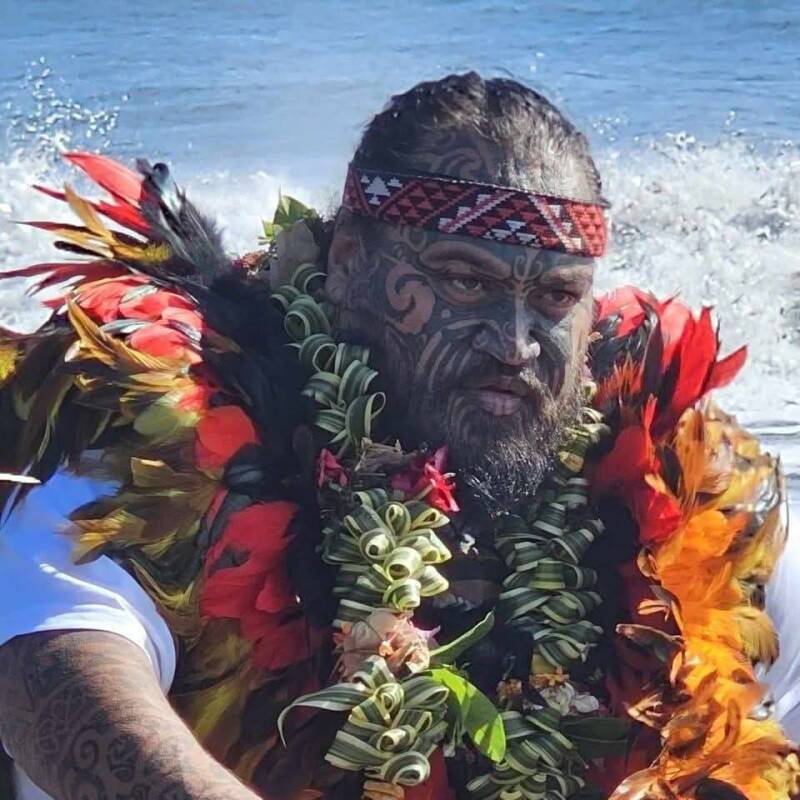
2024
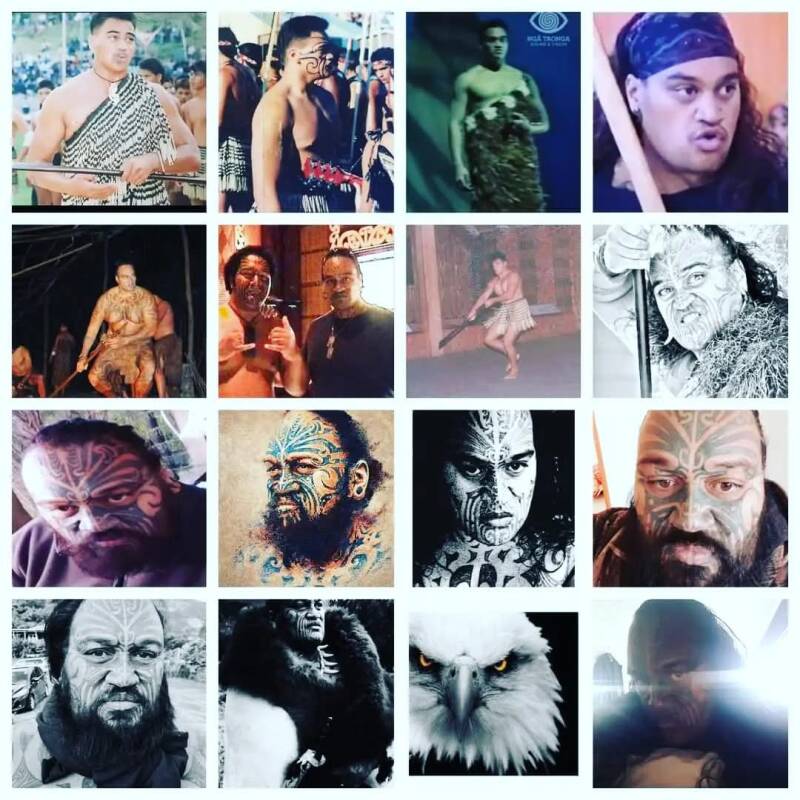
1973 - 2026
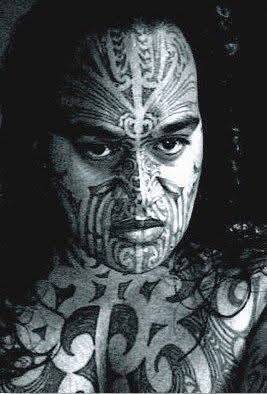
2008
I would like to share some important kōrero so we can better understand each other around the kaupapa of name changing, identity, whakapapa, and purpose.
When I was born, the name my parents Samuel Tāwio Ngaropo and Judith Amohaere Tangitū gave me was Tamehana Reone Ngaropo — the only one of six brothers given a full Māori name from birth.
The six siblings being; John, Samuel, Nicholas, Samuel, Christain and Tamehana.
The first part of my name came from my great-grandfather Tamehana Wharekāponga Gardiner from Tapuaeharuru Marae, Ngāti Pikiao, Tamateatūtahi, Ngāti Kawiti, Rotoiti.
My middle name Reone is the transliteration of Leon and came from Waihou Nui a Rua in Hokianga, named after my grandfather Karani Tāwio’s baby brother, Uncle Mangu.
The surname Ngaropo Tāwio Pouroto comes from the Waihou Nui a Rua valley near Panguru.
The name Wharekāponga was later gifted to me by my Uncle Lewis Te Tikao Gardiner during a hui with him and my grandmother Mihipeka Moanaroa (Te Moa) at Te Rotoiti.
Te Wharekāponga was a Tohunga Whakairo and chief of Te Rotoiti.
His descendants spread through many of our whānau lines today.
This is why I say: Te Tokotoru o Te Wharekāponga.
The three children of Te Wharekāponga: Tamehana, Makarita and Taipapaki.
Many people ask why my name has changed over the years.
The simplest answer is: fit for purpose.
Changing your name is not something to take lightly.
It takes courage, commitment, and responsibility.
The tūpuna protect their names also.
If they don't want you to wear their name they will let you know one way or another.
My first name change was: Te Ngakooterangi Rēnata Te Tāwera.
This name was important because of the inspiration I got from my great-grandmother Te Whareraupō Rēnata Te Ngakooterangi of Matatā, Tüwharetoa ki Te Awa o Te Atua.
She carried the names of her two male tūpuna proudly and marked them upon herself through Tā Moko on both her arms.
She was a master weaver and seer.
When I committed myself to the pathway of Tohungatanga, completing my Masters and PhD studies through Te Whare Wānanga o Awanuiārangi beginning in 2008 to 2015, I felt I needed spiritual support and protection while walking deeply into the ancient Whare Wānanga.
I genuinely felt protected by these tūpuna while carrying out the mahi.
Te Ngakooterangi is the tūpuna responsible for cleaning and reinterring the bones of the tūpuna Tūwharetoa in the sacred cave of Te Atuareretahi near Kawerau.
After this job he was given another name: Te Anakari Hou Ō Tūwharetoa.
A name still carried in our family today.
When I returned home to Waihou Nui a Rua in Hokianga, Pukepoto in 2013, where I lived for 15 years, I felt it was no longer right for me to continue carrying Te Ngakooterangi Rēnata into that environment.
I also understood that bringing a southern tūpuna name into Hokianga carried complexities connected to our tribal histories.
After a whānau discussion, It was decided to carry the name of my great-grandfather: Te Ngaropo Tāwio Pouroto. A Tohunga in Te Wānanga Ō Taitokerau.
Within Te Wānanga Ō Taitokerau, alongside Himiona Tākou Kāmira, Ngākuru Pene Haare Te Wao and others, his Tohunga name was Tangaroa.
It was a tapu name.
This story was passed down to us by Nanny Bibi, my grandfather Haami’s baby sister.
This name was important because I knew my task upon returning home to Waihou was the revival of the ancient Whare Wānanga traditions of Hokianga:
Te Whatupungapunga Whare Wānanga o Nukutāwhiti reopened in 2018: Kura Of Tohunga Development, and later,
Te Whare Kokorangi o Kupe Nuku IO-Ariki — International Kura of Lived Celestial Knowledge, finally, Te Whare Ō Kupe-Ariki — Paramount Chieftainship Of Kupe-Ariki.
I felt my great-grandfather Te Ngaropo protected me spiritually while carrying this responsibility, and I still feel that spiritual protection today.
Then came the final name transition.
In 2024 my wife and I were married on Kupe’s marae in Maupiti, Pae‘ao.
We were engaged on Marae Taputapuātea.
Married on Marae Kupe-Ariki and later had an Aotearoa marriage in Whakatāne under Te Wairere in town.
During a traditional marriage ceremony in Tahiti, it is customary for the Tohunga officiating the marriage to bestow ceremonial names upon the couple.
The names given to us were: Kupe Ariki Tāne and Kupe Ariki Vaine.
These names were witnessed and endorsed by six Ariki present at the ceremony from Ra‘iātea, Taha‘a, Maupiti and Bora Bora.
Since then, while living in Tahiti and receiving further whakapapa teachings concerning Kupe, I corrected the name to: Kupe Nuku Ariki, and later: Kupe Nuku IO-Ariki Tāne, Kupe Nuku IO-Ariki Vahine.
For me, this acknowledges IO as the supreme source within our spiritual framework, and affirms that Kupe carried the priesthood traditions of IO.
From this emerged: Te Tino IO-Arikitanga — The Eternal and Perpetual Statement of Sovereignty under IOtanga, Arikitanga and Tohungatanga. Our Arikitanga is not about ruling over people.
It is intimate and personal.
It is about service.
Service to the people.
Service to whakapapa.
Service to Te Taiao — the Multi-Dimensional IO-Verse.
I also want to say something important regarding people judging others for changing their names. It is very Māori for names to evolve throughout life.
Tūwharetoa was once called Manaia.
Tūwhakairiora was once called Tūmoana Kōtore.
Te Ngakooterangi was given a new name.
Many ancestors received new names according to life stages, responsibilities, achievements, revelations, or spiritual transformations.
Today many Māori continue this practice.
So before judging someone for changing their name, perhaps first understand there may be reasons you are not entitled to know.
A name holds whakapapa.
A name holds purpose. A name holds healing.
A name holds responsibility.
If someone tells you their name has changed, respect it.
You do not own another person’s identity.
For me personally, all the names I have carried remain part of my life journey:
Kupe Nuku IO-Ariki Tāne, Tangaroa Ngaropo-Tāwio Pouroto, Te Ngakooterangi Rēnata Te Tāwera,
Tamehana Wharekāponga Reone Ngaropo.
And yes nick names to — also: Tumz, Tut, Tanahiwi, Mana Māori, Tamelani, Kro, Neff, Onxz, Tango, Tang, Uncle Cass.
Every one of these names belongs to part of my life story.
I carry them with pride and am greatful to have carried these tūpuna names with honor during this lifetime.