Ngāpuhi Constitutional Timeline
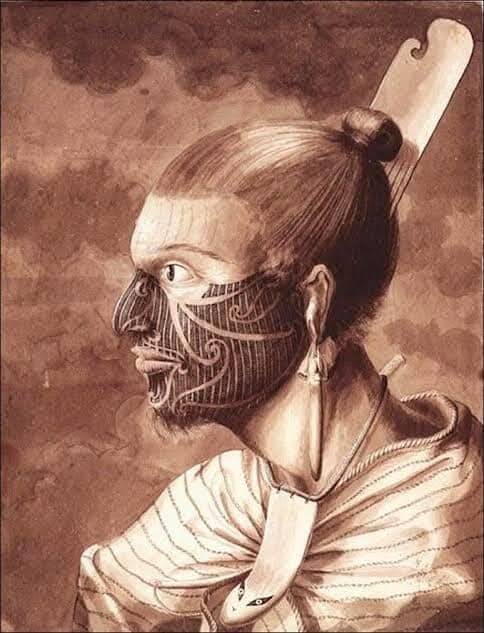
NGĀPUHI CONSTITUTIONAL TIMELINE & SOVEREIGN RELATIONSHIPS WITH THE BRITISH CROWN FROM 1804 TO 1840
The Ngāpuhi Constitutional Continuum
1. 1804–1805 — Mātara’s Journey to Port Jackson, Sydney
Mātara travelled across the Tasman Sea to Port Jackson, Sydney, where he was received by Governor Philip Gidley King. During this visit, he was presented with metal tools, pigs and goats. The encounter represents an early formal relationship between northern rangatira and British colonial authority in New South Wales.
2. April 1806 — Mahanga’s Visit to England
Mahanga, travelled aboard the whaling vessel Ferret to England.He was presented at court and received gifts. He returned to New Zealand in 1807.
3. 1807–1809 — Mātara’s Journey to England as Te Pahi’s Envoy
Mātara travelled to England as an envoy for his father, Te Pahi. During his journey, he met King George III and members of the Royal Family. He received the Order of Amity, represented by a silver star and blue ribbon, as well as a hat and mantle. In August 1808, during his return journey, he stopped at Simon’s Town at the Cape of Good Hope, where he encountered Russian captain Vasili Golovnin. He returned to the Bay of Islands in late 1808–1809.
4. 1808 — Early Northern Constitutional Gatherings
Constitutional gatherings took place among northern rangatira at:
• Whangaroa
• Te Ngaere
• Māhinepua
• Rewarewatahi
These early gatherings form part of the wider constitutional history leading towards the establishment and operation of Te Wakaminenga.
5. July 1809 — Ruatara’s Intended Audience with King George III
Ruatara travelled to England with the intention of meeting King George III. Although he reached London, he was unable to secure an audience with the King. He subsequently returned to New South Wales.
6. 13 November 1820 — Hongi Hika Meets King George IV
Hongi Hika travelled to England and met King George IV. The meeting established a significant direct relationship between a senior Ngāpuhi rangatira and the British Crown.
7. 13 November 1820 — Waikato Meets King George IV
Waikato, also identified as Hōhaia Parata, accompanied Hongi Hika to England and attended the royal audience. He received a musket from the King.
8. 5 October 1831 — Thirteen Northern Rangatira Write to King William IV
Thirteen northern rangatira addressed a formal letter to King William IV. The letter sought the King's friendship and protection in response to concerns about a possible French attempt to take possession of New Zealand, as well as disorder and harmful conduct by some British subjects. The rangatira asked the King to become their friend and guardian and to intervene where his subjects were causing harm. The letter was entrusted to Reverend William Yate for transmission to England. This correspondence represents a direct diplomatic appeal from northern rangatira to the British Crown.
9. 14 June 1832 — King William IV’s Formal Reply to the Rangatira
Author:Lord Viscount Goderich, Secretary of State for the Colonies
Recipient: The Chiefs of New Zealand
Date: 14 June 1832
Document:The King's reply to the thirteen rangatira’s 1831 letter. The following is the English text reproduced in the Waitangi Tribunal’s 2014 Stage 1 report, He Whakaputanga me te Tiriti
KING WILLIAM IV’S RESPONSE TO THE RANGATIRA
Lord Viscount GODERICH, one of the Principal Secretaries of State to His MAJESTY THE KING OF GREAT BRITAIN—
To the Chiefs of New Zealand.
FRIENDS,
I AM commanded by THE KING to acknowledge the receipt of the letter which you addressed to His MAJESTY, and which you intrusted to Mr WILLIAM YATE, to forward to England.
THE KING is much gratified to find that the cause for alarm, which appears to have existed at the time when your letter was written, has entirely passed away; and he trusts that no circumstances may occur in future, to interrupt the internal tranquility of New Zealand, which is so necessary to the maintenance of a close commercial intercourse between its inhabitants and those of Great Britain.
THE KING is sorry for the injuries which you inform him that the people of New Zealand have suffered from some of his subjects. But, He will do all in His power to prevent the recurrence of such outrages, and to punish the perpetrators of them according to the laws of their country, whenever they can be apprehended and brought to trial; and THE KING hopes, that mutual good will and confidence will exist between the people of both countries.
In order to afford better protection to all classes, both Natives of the Islands of New Zealand, and British subjects who may proceed, or be already established there for purposes of trade, THE KING has sent the bearer of this letter, JAMES BUSBY, Esquire, to reside amongst you as His MAJESTY’S RESIDENT, whose duties will be to investigate all complaints which may be made to him.
It will also be his endeavour to prevent the arrival among you of men who have been guilty of crimes in their own country, and who may effect their escape from the place to which they may have been banished, as likewise to apprehend such persons of this description as may be found at present at large.
In return for the anxious desire which will be manifested by the BRITISH RESIDENT, to afford his protection to the inhabitants of New Zealand, against any acts of outrage which may be attempted against them by British subjects, it is confidently expected by His MAJESTY, that on your parts you will render to the RESIDENT that assistance and support, which is calculated to promote the object of his appointment, and to extend to your country all the benefits which it is capable of receiving from its friendship and alliance with Great Britain,
I am,
Your friend,
GODERICH.
14 June 1832.
Constitutional significance<
The reply acknowledges the rangatira’s direct correspondence with King William IV and records the Crown’s response to their request for protection.
<span;>It expressly refers to the people of New Zealand and Great Britain as maintaining relations of friendship and alliance. It also confirms the appointment of James Busby as His Majesty’s Resident, with responsibilities concerning complaints and the conduct of British subjects.The letter is a distinct Crown document and must be read separately from Busby’s later address to the rangatira.
10. 5 May 1833 — James Busby Arrives as British Resident
James Busby arrived in New Zealand as the British Resident appointed by King William IV. His appointment followed the Crown’s response to the 1831 letter from the thirteen rangatira. His role included investigating complaints involving British subjects and promoting the Crown’s stated objectives of protection, friendship and commercial relations.
11. 17 May 1833 — James Busby’s Address to the Chiefs and People of New Zealand
Author:James Busby, British Resident
Date: 17 May 1833
Location:Paihia
Busby delivered a separate address to the chiefs and people of New Zealand. The address reinforced the messages contained in King William IV’s reply and discussed the intended relationship between the British Resident, the rangatira and British subjects. Busby described the King's relationship with New Zealand as one of friendship and alliance and emphasised the honour associated with the appointment of a British representative.
Important distinction: Goderich’s letter was dated 14 June 1832. Busby’s address was dated 17 May 1833. They are two separate documents, although they were subsequently published together in 1833.
12. 20 March 1834 — United Tribes Flag Selected
Northern rangatira gathered at Waitangi and selected the flag of the United Tribes of New Zealand. The gathering involved approximately 25 rangatira, who selected the flag for New Zealand-built ships engaged in international trade.
The selected flag was subsequently approved by King William IV. This was a significant recognition of the collective authority of the rangatira in relation to their own national affairs and international trading relationships.
13. 28 October 1835 – 22 July 1839 — He Whakaputanga o te Rangatiratanga o Niu Tīreni
He Whakaputanga was signed on 28 October 1835 by 34 rangatira. The number of signatories increased to 52 by July 1839. The Declaration established the collective authority of the rangatira through Te Wakaminenga o ngā Hapū o Nu Tireni.
Its four articles addressed:
• The declaration of an independent state.
• The authority of the rangatira and their collective assembly.
• The meeting of Te Wakaminenga to frame laws and maintain peace.
• Friendship and protection, including the relationship with the King of England. He Whakaputanga stands as a central constitutional document in the relationship between the northern rangatira and the British Crown.
14. 6 February 1840 — Te Tiriti o Waitangi Signed at Waitangi
Te Tiriti o Waitangi was signed at Waitangi, with Hōne Heke being the first rangatira to sign. Further signing gatherings followed at Waimate on 10 February 1840 and Mangungu on 12 February 1840. The Māori text of Te Tiriti refers to kāwanatanga and guarantees tino rangatiratanga.The relationship between He Whakaputanga and Te Tiriti remains central to the constitutional history of Ngāpuhi and the wider country.
15. 30 June – 12 July 1847 — Selwyn–Williams Correspondence
Correspondence between Bishop George Augustus Selwyn and Reverend Henry Williams during this period provides further documentary material concerning the Crown, missionary involvement, Māori authority and the interpretation of the relationship established through Te Tiriti. The extracts supplied for this milestone form part of the documentary record and are to be retained with the full correspondence.
16. 1863–1864 — Northern Rangatira Delegation to Queen Victoria
A delegation of northern rangatira travelled to England aboard the Ida Ziegler and met with Queen Victoria at Osborne House. The named members included:• Paratene Te Manu
• Hāre Pōmare
• Hariata Pōmare
• Kamariera Te Hau Takiri Wharepapa
• Wiremu Pou
The delegation continued the history of direct engagement between Māori rangatira and the British Crown.
17. 2010–2011 — Wai 1040 Stage 1 Hearings
The Waitangi Tribunal commenced Stage 1 hearings in the Te Paparahi o Te Raki inquiry, known as Wai 1040. The inquiry examined He Whakaputanga, Te Tiriti o Waitangi and the historical relationship between northern rangatira and the British Crown.
18. November 2012 — Ngāpuhi Speaks Published
Ngāpuhi Speaks was published following a process commissioned by Ngāpuhi Nui Tonu kaumātua and kuia. The publication was produced by Te Kawariki and Network Waitangi Whangārei.
Editors:
• Takawai Murphy
• Dr Susan Healy
• Dr Ingrid Huygens
Kaitiaki:
• Hori Parata
The publication records the perspectives and understandings of Ngāpuhi kaumātua and kuia concerning He Whakaputanga, Te Tiriti and the history of Ngāpuhi constitutional authority.
19. 14 November 2014 — Waitangi Tribunal Stage 1 Report Released
The Waitangi Tribunal released its Stage 1 report:
He Whakaputanga me te Tiriti — The Declaration and the Treaty.The report examined the meaning and effect of He Whakaputanga and Te Tiriti.
The Tribunal found that the rangatira who signed Te Tiriti at Waitangi, Waimate and Mangungu did not cede their sovereignty to the British Crown. This finding is of major constitutional significance to Ngāpuhi and the wider constitutional history of Aotearoa.
20. December 2022 – December 2023 — Wai 1040 Stage 2 Reports
The Waitangi Tribunal released the three volumes of its Stage 2 report,Tino Rangatiratanga me te Kāwanatanga. These reports examined further historical and constitutional issues arising from the Te Paparahi o Te Raki inquiry.
21. 19 December 2025 — Wai 1040 Stage 2, Part II, Volume 4
The Waitangi Tribunal released the pre-publication report for Part II, Volume 4 of the Stage 2 inquiry.This continued the documentary and historical examination of the relationship between Ngāpuhi, Māori authority, the Crown and the constitutional development of Aotearoa.
THE CONSTITUTIONAL DOCUMENTARY SEQUENCE
The following documents form a central sequence within the timeline:
1. 5 October 1831— Letter from thirteen northern rangatira to King William IV.
2. 14 June 1832— King William IV’s formal reply, written by Lord Viscount Goderich.
3. 17 May 1833 — James Busby’s separate address to the chiefs and people of New Zealand.
4. 20 March 1834 — Selection of the United Tribes flag.
5. 28 October 1835 — He Whakaputanga o te Rangatiratanga o Niu Tīreni.
6. 6 February 1840 — Te Tiriti o Waitangi.
These documents are to be read in their chronological relationship, preserving the distinction between the rangatira’s correspondence, the Crown’s reply, the British Resident’s address and the subsequent constitutional declarations and agreements.
Primary documentary reference for the 1832 reply:
Waitangi Tribunal, He Whakaputanga me te Tiriti: The Declaration and the Treaty — Report on Stage 1 of the Te Paparahi o Te Raki Inquiry (2014), section 3.9.2, “King William IV’s Response to the Rangatira.”